
For much of modern financial history, investing was defined by ownership. Individuals bought assets, held them over time, and relied on long-term appreciation to build wealth. The logic was straightforward: identify value, stay patient, and allow markets to do the rest.
That model still exists, but it no longer tells the whole story.
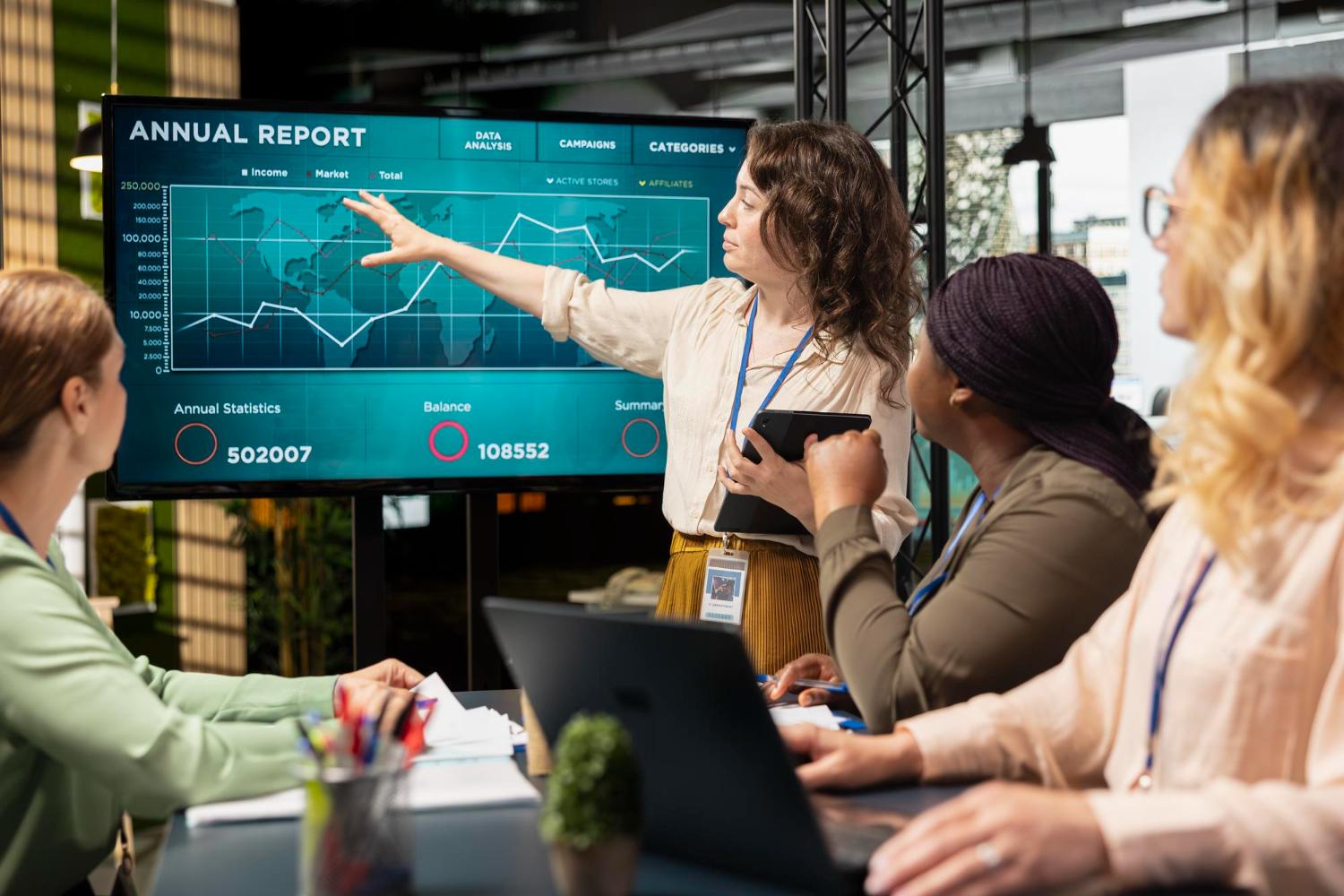
Today’s markets operate in a very different environment. Real-time data, continuous global activity, and advanced digital tools have changed how investors engage. The question is no longer just what to own, but how to manage it. As a result, participation is shifting from passive ownership toward more deliberate, strategy-driven involvement.
From Holding to Managing
Traditional investing emphasized holding positions through market cycles. Adjustments were often infrequent, based on long-term outlooks rather than immediate developments.
Modern investors, however, operate in an environment where conditions evolve constantly. Prices respond to global events in real time, and opportunities can emerge, and disappear, within short windows.
This has led to a change in mindset. Instead of viewing investments as static holdings, many now approach them as positions that require ongoing management. Decisions are no longer limited to entry and exit points, they extend to how exposure is structured, adjusted, and maintained over time.
Strategy as an Active Process
With this shift, strategy becomes central. Investors are not simply selecting assets; they are defining how to interact with those assets under different conditions.
This may involve:
The emphasis is on adaptability. Rather than relying on a single approach, investors build frameworks that allow them to respond to different scenarios. As this evolution takes shape, many participants begin to take a more hands-on role, choosing to access margin trading on kraken so they can open long or short positions, adjust exposure through leverage, and monitor collateral as part of a more structured approach to managing risk and opportunity. This shift reflects a broader trend: investing is becoming more interactive.
The Influence of Real-Time Markets
One of the driving forces behind this transformation is the rise of real-time markets. Unlike traditional systems with fixed trading hours, many modern financial environments operate continuously, processing information and transactions without pause. This constant activity changes how investors think. Instead of waiting for scheduled updates, they can evaluate conditions at any moment and act accordingly.
Real-time data provides insight, but it also introduces complexity. The challenge is not just accessing information, it is interpreting it effectively and deciding when to act. This is where strategy becomes essential. Without a clear framework, the sheer volume of data can lead to reactive decision-making rather than deliberate action.
Managing Exposure in a Dynamic Environment
As strategies become more active, managing exposure becomes increasingly important. Exposure is not just about how much capital is invested, it is about how that capital is positioned in relation to market conditions.
Effective management involves:
In a dynamic environment, exposure is fluid. It changes with each decision, requiring continuous attention. This reinforces the idea that investing is no longer a passive activity. It requires engagement, awareness, and a willingness to adapt.
The Balance Between Opportunity and Control
Greater flexibility brings greater opportunity, but it also demands greater control. The ability to act quickly can enhance outcomes, but it can also lead to overactivity if not managed carefully. Maintaining balance is key. Investors must be able to take advantage of opportunities without losing discipline.
This often involves:
Control is not about doing more, it is about making better decisions.
A Broader Financial Perspective
The shift toward strategy-based participation is part of a larger transformation in global financial systems. Technology has expanded access, increased transparency, and introduced new ways of interacting with markets.
According to the OECD, digital financial tools are reshaping investor behavior by enabling more active participation and expanding the range of available strategies. This evolution highlights the importance of financial literacy and informed decision-making in modern markets.
As individuals take on more direct control of their investments, understanding how to use these tools effectively becomes essential.
The Future of Participation
Looking ahead, the distinction between passive and active investing is likely to continue evolving. Investors will have access to increasingly sophisticated tools, allowing for more precise control over how capital is deployed.
At the same time, the fundamental principles of investing remain unchanged. Risk awareness, discipline, and informed decision-making will always play a central role. What is changing is the context in which these principles are applied. Markets are faster, more connected, and more responsive than ever before.
The transition from ownership to strategy represents a significant shift in how people approach investing. While holding assets remains an important foundation, it is no longer sufficient on its own.
Modern investors are expected to engage more actively, to monitor, adjust, and refine their positions as conditions evolve. This requires not only access to advanced tools, but also the ability to use them effectively. In this new landscape, success is defined not just by what you own, but by how you manage it.